
Wednesday, October 24, 2012
Captcha
I am reading many blogs these days but not commenting on the ones that have the captcha "please prove you aren't a robot" filter. I can't read the letters or numbers, and when I try listening - I just get creeped out. Can't understand what the hell they're saying. But I'm stopping by, even though I can't comment.

Wondering
What is it I always say? Oh yeah - that everyone is a shaman. When I make the argument for this belief of mine, I always use silly examples of the way in which people sense energy then dance in alignment with it, for instance at the supermarket when everyone rushes to queue up at the cash registers at the same moment.
I love watching birds follow currents of energy, such as when they suddenly take flight from a tree, fly in a big circle, then come back to the same tree, perhaps even landing on the same branch (I don't know that's true - I always wonder).
I guess birds are shamans, too.
But back to the humans - here's what I'm wondering about. I'm curious about whether wars are like storms that pass through our hearts and psyches en masse. We feel threatened, or we feel we must prevail no matter what. Even we pacifists feel the energy of war. It's our singular reaction to hope and pray that the peace will be kept, while others take up arms and walk willingly into the battlefields. Everybody feels it, though. At least, everyone felt WWII.
I wonder if there's any way to let the storm pass without acting out the energy. I wonder if any culture has ever tried to do so.
The thing is, we have always waged war. We are a warring, violent, aggressive species. Back in the days before guns, we did a lot of damage, but nothing like the kind of carnage we've been able to manage since the invention of guns. Guns, bombs, drones - they are like crack cocaine for the violent streak in our nature. We always make up a good story about why we have to wage war.
I'm not suggesting peace at any cost. In WWII for instance, I am very happy that Hitler was defeated. Good lord. I'm not that much of a pacifist! As a shaman, though, I'm curious about the energy of that war, the dark, world-wide storm. Was it backwash from WWI? I need to think about it some more.
Where is a time machine when you need it?
Happy Wednesday. Shalom.
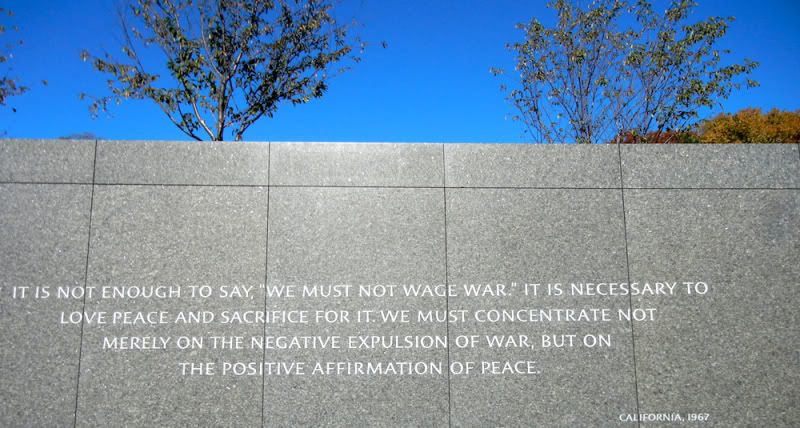
Martin Luther King, one of my big heroes. Wow.
Monday, October 22, 2012
An Earful from the Greatest Generation
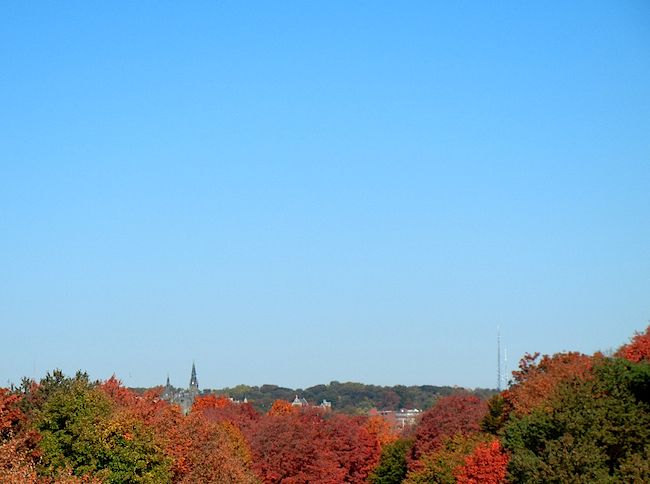
From the Memorial Bridge between Arlington National Cemetery and the Lincoln Memorial. That's Georgetown in the distance on the left side of the pic. The tower on the right is in Silver Spring, MD. I think. Or maybe it's Tenleytown.
As a "women's lib" era feminist, I was furious at the patriarchal culture that forced women back into the home after WWII to have babies while the returning soldiers took their jobs. The Feminine Mystique, by Betty Friedan, still boils my ass. Grrrrr!
It's always convenient to have a target when in a mood to vent one's spleen and I should say I'm not the only person in history to point the finger. During the late 60s and 70s, as our society began to wake up from the post WWII culture-wide shock and denial, from the repression of our grief, well, we were mad as hell and weren't going to take it anymore. The newly awakened are often irracible. We definitely were. In fact, this is the first time I've ever tried to see the big picture, the reasons why the 50s were so weird. My eyes are open and I am learning so much!
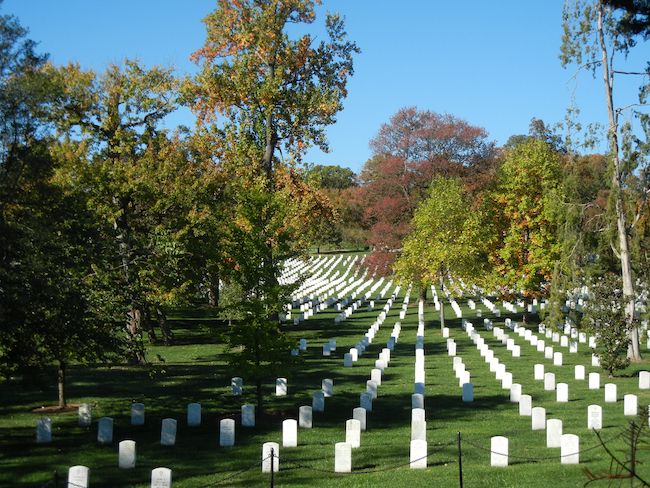
Right after WWII, no one thought in terms of a "new normal," as we do now. A few people understood the world had changed forever, but I'm not clear how many people could understand the reality that, as a whole, the western European and American psyche was in deep shit, in literal shock. I'm talking about the oversoul of our culture. It was whacked.
What society could spring back immediately following the killing of sixty million people, witnessing the devastation of the atomic bomb, the Holocaust, too? Who could manage to obediently go back to the way it was after all the scrimping and starving, the worry, loss, and other hardships? I mean really.
What society could spring back immediately following the killing of sixty million people, witnessing the devastation of the atomic bomb, the Holocaust, too? Who could manage to obediently go back to the way it was after all the scrimping and starving, the worry, loss, and other hardships? I mean really.
But we won the war, so we were supposed to be content, reassume the roles we played prior to WWII and carry on as if nothing had happened. Though we beat the Axis powers, no one was the winner in that war. Probably there is no such thing as winning a war.
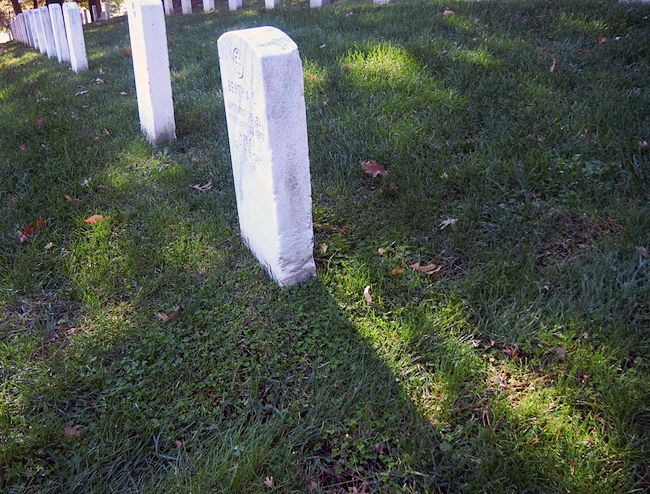
Speaking of which: there was no such thing as a Ward Cleaver. He and other characters in film and on TV played the role of the gentle paternal figure, bringing home the bacon and playing baseball with the kids on the weekend. Ward was a pop up, two dimensional character, the mild mannered father who follows the rules, is centered and balanced. Ward was a fantasy, a form of post-war propaganda meant to convince people that everything would be fine if only they would live their lives according to the rules. At least this is some of what the ghosts were telling me today at Arlington.
Character was seen as a very important quality at that time. Part of having character involved self control. Talk therapy was seen as only for the very seriously mentally ill. And anyway people weren't supposed to dwell on the horror of it. They felt it was best to put it behind them as soon as possible. Hence the men came back, drank, smoked cigarettes, and tried not to think too much about it. The women, too. In addition, the women had babies. Lots and lots of babies, including me. It was during the 50s that we became so obsessed with shopping. We started accumulating stuff then, trying to fill the darkness with cheerful, happy things.
The new normal worked better for some, not so well for others. I don't think my parents had such an easy time with the transition. They were tender hearted people who hoped to do good in the world. At last and finally in my life I am thinking about how hard it was for them, not only dealing with the shock at the end of the war, but they were also targeted as suspicious by McCarthy's Un-American Activities Committee. As dangerous Commies, it was hard for them to find work of any kind.
What a crazy weird time to come into the world, good lord. No wonder we Boomers are who we are. I have a lot to say about this, but this is enough for now. Shalom.
Sunday, October 21, 2012
Ward Cleaver's Ghost
Between clients today, I watched hand-to-hand combat training films from WWII. I love youtube. The films are interesting for so many reasons, especially in light of the fact that this is what my father did in the Army - taught these skills.
WWII was way before we took martial arts seriously. Most of the techniques look more like wrestling to me, but what do I know? I'm a healer, not a warrior.
Under different circumstances the films would seem funny, corny, etc. but as I am honoring the dead from that war, including my father, they're coming across rather differently than they usually would. One thing that strikes me is how, at the beginning of every one of the films I've watched, they talk about contact sports, usually boxing and football. The narrator talks about how there are penalties for clipping in football, how you don't punch a man when he has gone down in the ring.
Then they say that warfare is not like boxing. They talk about breaking every rule in the book, if it keeps you alive.
I was thinking that today no training film would begin by explaining that in war we don't have to play fair or be good sports. Who would need to hear that now? The fact that young men at that time were thought to be fair minded, rule following good sports is kind of incredible. If indeed they were, can you imagine the shock of going into battle? Every rule of good behavior, every expectation of fairness, of thoughtfulness and kindness was tossed out in order to survive. Can you imagine what that did to the innocent minds of these young fellows?
And then there was coming home from the war, trying to suddenly follow the rules again. Is it any wonder that the dads on TV during the 50s were so emasculated? Allegedly they are the kings of their castles, but it's the moms in 1950s sitcoms who actually wear the pants in the family. The dads come home from the office, have a highball and read the paper. You don't see these guys punishing the children, except through thoughtful conversation. They kiss their wives on the cheek, sleep in twin beds. They are placid, they play their roles, but there is no passion there, no fire. It's so weird.
Here Ward Cleaver is going to wear asbestos gloves to do the grilling, after who knows what happened to him during the war. Total propaganda. And ... asbestos. Oh, the things we didn't know then. Good lord.
The war ended. FDR was dead and the nation was in shock. Women were thrown back into the home to have babies. Men were thrown back into the "civilized" world of suits and good behavior. It boggles the mind, trying to imagine how that felt.
Tomorrow morning I'm going to Arlington Cemetery. Looking forward to trading stories with the ghosts, specifically the Ward Cleavers, the men who were told to maim and kill, after which they were instructed to be passive and rule-bound. How the hell did they do it?
Shalom.
Saturday, October 20, 2012
This Year's Ghosts
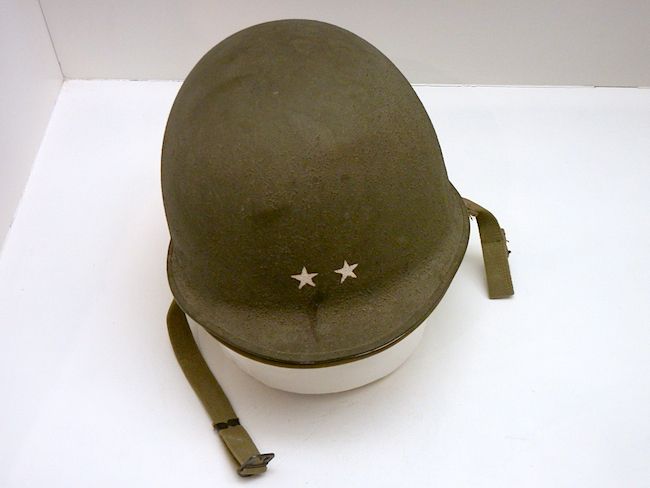
Every year at this time, the Dead whisper to me. In particular since I've lived in DC, it's the dead soldiers who want to tell their stories, sing their songs, pass on what they remember. This year my work with the dead is all about World War II.
Please don't ask me to explain the affinity I have with dead soldiers - I am the biggest pacifist you are ever likely to meet. For whatever reasons, they talk to me, and with respect I listen carefully.
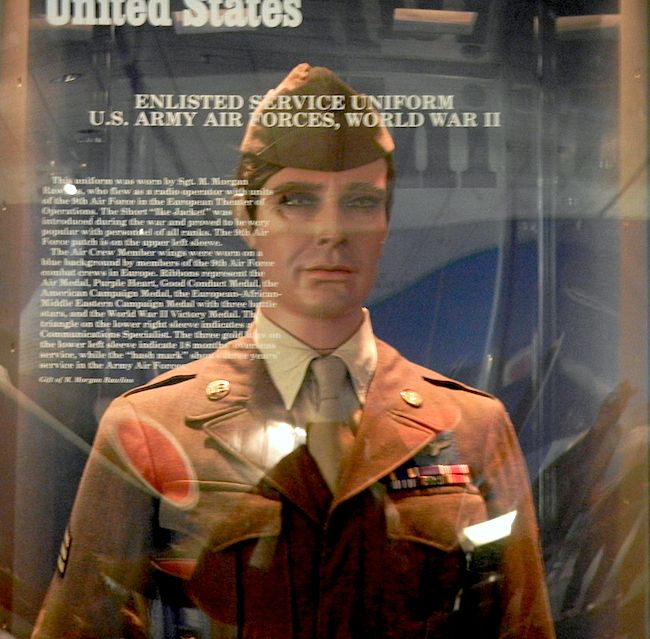
He looks so sad.
World War II was awful. They are all awful, yes. But WWII, good lord. 60,000,000 people died in that war. Six zero, zero zero zero, zero zero zero. It is completely inconceivable. A big storm passed through the western world between 1939 and 1945, sucking everyone into its dark energy.
In every country affected, men, women and children did their bit, scrimped, lived on very little food, did what they could for the war effort. They endured hardships we can hardly imagine now.
Though in fact the United States is involved in fighting wars all the time, unless we're in contact with living soldiers, that fact can slip our minds very easily. In WWII, no one ever forgot it was happening.
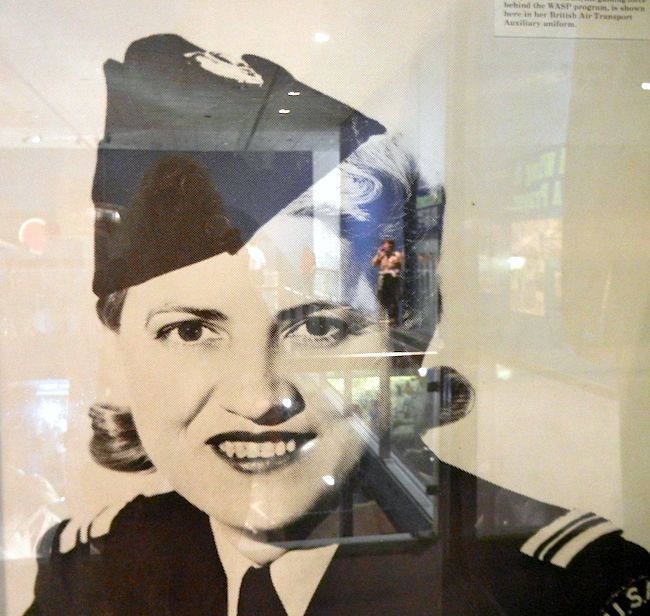
An American W.A.S.P.
The fact that women were empowered to get into the workforce, because of all the men were fighting, is sickening. It's no way to become empowered!
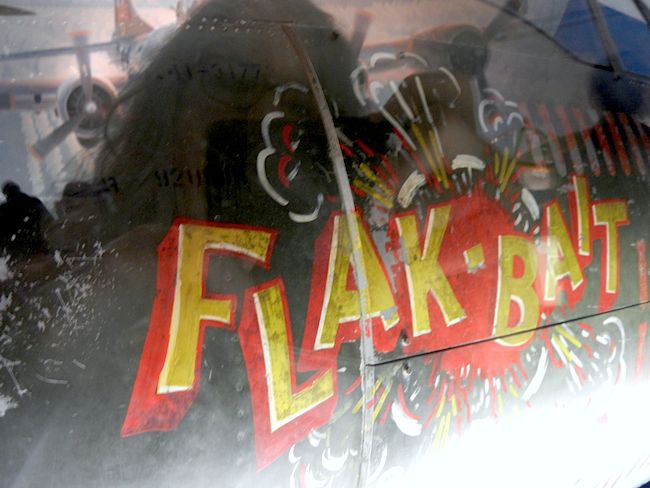
I spent a considerable amount of time at the Air and Space Museum today, looking at and touching WWII aircraft, gazing at the photos of the famous pilots (from every country involved - the exhibit is quite democratic in that way). There were mannequins dressed in the uniforms of each country, standing in glass boxes in a shadowy aisle on the second floor. As I started up the stairs to have a look, I heard a little kid say he was scared. Hell yeah - I was too. Not so much in the main display, but that dark aisle up the stairs, the one with the mannequins, is creepy enough that the hair on the back of my neck stood up.
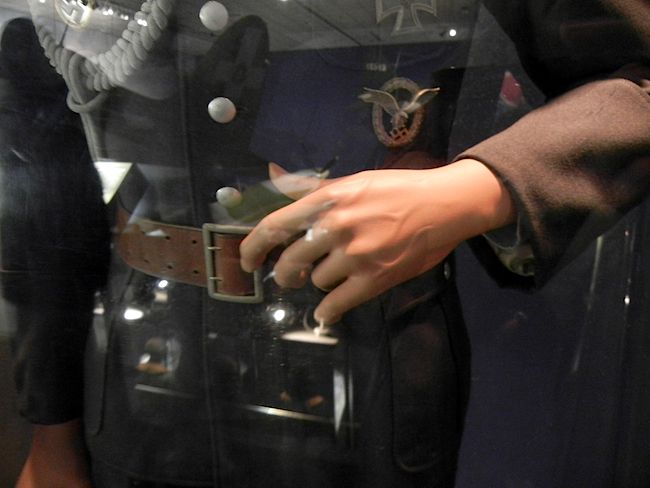
Creepy. A mannequin with veins? It's like Madame Tussaud's.
The people who fought in that war were part of the Greatest Generation. They survived the Great Depression, then gave up everything to go to war against the Axis powers. My mother drove a truck during the war, delivering supplies to a munitions factory. My father was in the Army. He taught hand-to-hand combat.
I honor my parents. They were tough, way tougher than I am. My hat is off to that entire generation. May those who have passed away lay down now and rest in peace. May those who still linger pass away peacefully, leaving all the memories of that horrible war behind.
We will remember you, I promise. What is remembered, lives. Shalom.
Friday, October 19, 2012
Sweet late October
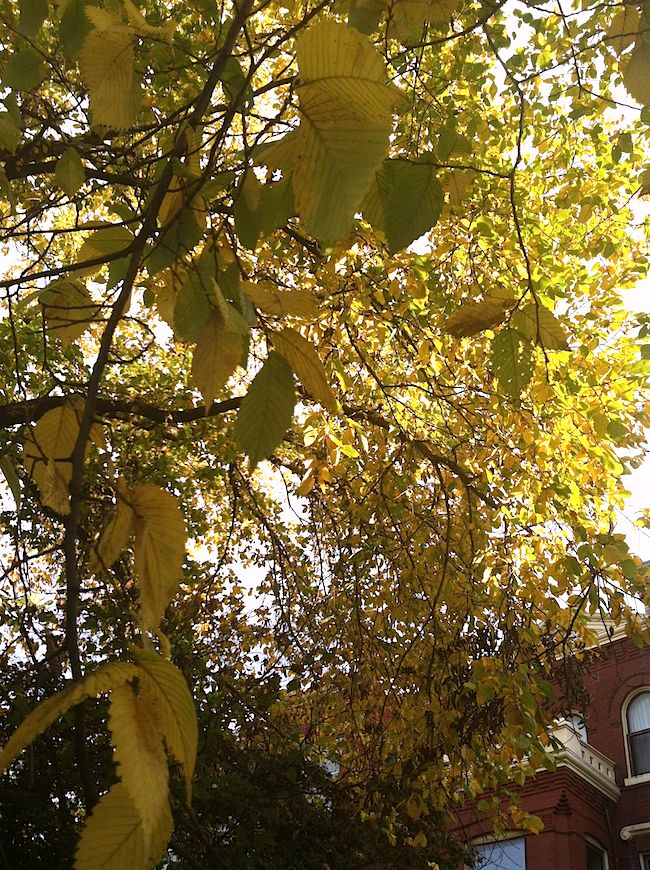
Where I grew up in the American midwest, fall and spring were fleeting. They were glorious seasons in which everything happened all at once. In spring, everything bloomed within a two or three week period. It was like an explosion of the life force, slightly unnerving (at least it was for me). Likewise in fall, the leaves turned quickly, all at once, then dropped en masse. Unlike spring and fall, in the midwest summer and winter drone on and on.
One of the things I love about the midatlantic landscape is our lengthy spring, our lengthy fall. Both seasons stretch out luxuriously over a period of three months, gracefully unfolding. It's possible here, if you get out and about often enough, to see every gorgeous seasonal change.
In the midwest if you have a busy week at work, you might miss most of the spring bloom, most of the leaf color, but not here. Both seasons go on and on. We who live on this swampy plain are very lucky.
Right now, close to the end of October, is a particularly exquisite intersection between summer and winter. It's no longer hot, but not yet blustery. The days are warm enough that we can still wander around without jackets, and the nights are only slightly chilly. The leaves are slowly turning beautiful shades of gold, orange and red, and gently beginning their graceful fall to the ground.
This morning there is a soft rain. It's warm enough to open the windows. I can feel the soft air, hear the beautiful sound of falling rain. It's not a hot rain, as we have in summer, not a cold rain like we'll experience beginning in December. It's the perfect autumnal rain, melancholy, but not sour. Autumnal rain is bittersweet.
I love fall. Shalom.
Thursday, October 18, 2012
Trust first, then faith. That is my recipe.
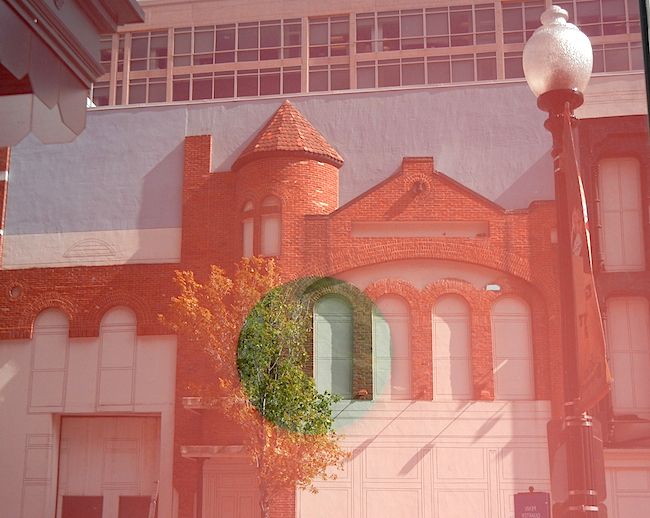
I like the idea of trust as a noun, as in the National Trust for Historic Preservation, for instance. Used as a noun, the word is solid, a foundation. The earthy sense of trust, when used as a noun, resonates for me.
Trust seems, when I can access it personally, to be an inactive state, a base level confidence in my ability to see clearly, a foundational assumption that when push comes to shove (as it does in every human lifetime), I will figure out how to get through it. Trust is intimately connected to intuition. I pay attention as much as I can, I practice sensing the subtle energies. Of course I make mistakes when interpreting what I notice, but I trust that even in those circumstances, I will eventually see I've gone offtrack and will be capable of bringing myself back to center. Trust for me is not about perfect behavior, perfect thinking, it's about knowing that when I fall down, I can get back up.
Trust reduces the need for the fantasy of control. We do have control over a few things, not much though. Trust, for me, instills a sense that I have the capacity to make good decisions about the things I can control, and the ability to release the urge to micromanage other people, situations, the weather, who wins the presidential election. Trust, in the Reyaverse, is four cornered, extremely stable, dependable.
The courage to change the things I can,
And the wisdom to know the difference.
To me, the above is the essence of trust.
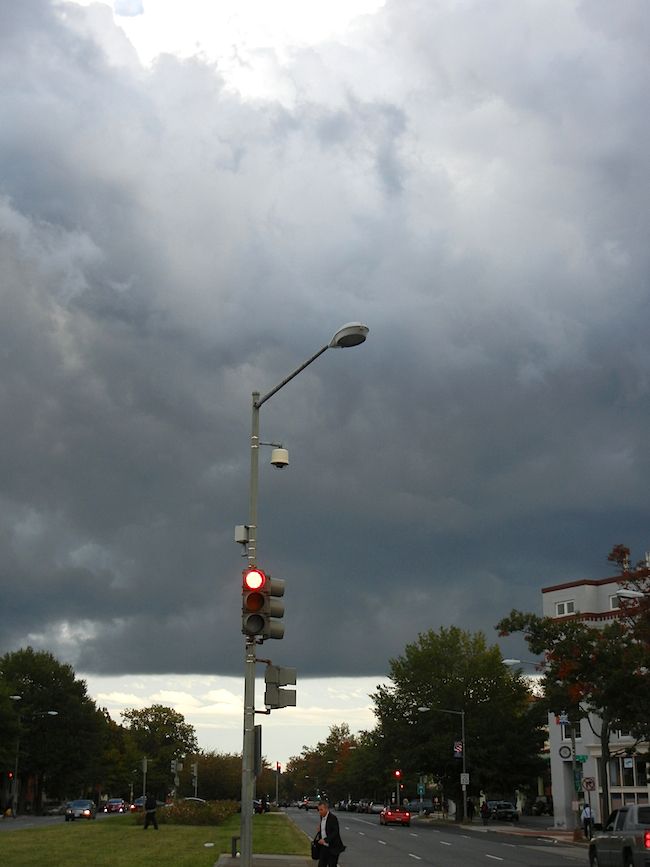
Faith, on the other hand, though the word is definitely a noun, feels more verb-like to me. Faith is something we engage with. We take a leap, or fly high, inevitably crash and burn. We have crises of faith and struggles aplenty. This is the faithful lifestyle, never boring and definitely not four cornered.
To engage with faith I must be sincerely willing to be vulnerable, revealed, doubtful, confused and yet still leap, sometimes tragically, sometimes squarely, sometimes in such a clumsy way. We, the faithful, leap even when it is unpleasant or embarrassing. It's how we roll.
The blindly faithful must leap and struggle, too, but they aren't well seated in the four cornered stability of trust. Maybe that's why they're always so afraid, hardened, embittered and blameful. I would be. But I can only guess as I am not blindly faithful to anything - really, to anything.
Here, a snip from a Mary Oliver poem (complete poem here) that describes perfectly my experience of faith:
Still, what I want in my life
is to be willing
to be dazzled --
to cast aside the weight of facts
and maybe even
to float a little
above this difficult world.
I want to believe I am looking
into the white fire of a great mystery.
I want to believe that the imperfections are nothing --
that the light is everything -- that it is more than the sum
of each flawed blossom rising and fading. And I do.
is to be willing
to be dazzled --
to cast aside the weight of facts
and maybe even
to float a little
above this difficult world.
I want to believe I am looking
into the white fire of a great mystery.
I want to believe that the imperfections are nothing --
that the light is everything -- that it is more than the sum
of each flawed blossom rising and fading. And I do.
Me, too!
Shalom.
Subscribe to:
Posts (Atom)